
not featured
2026-10-13
published
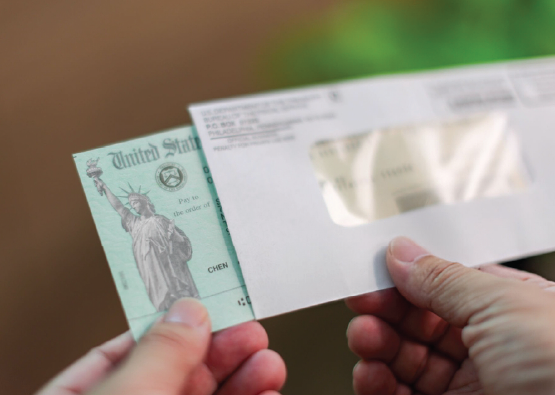
Identifying Treasury Check Scams
Treasury check fraud is on the rise, with banks and federal investigators reporting increased cases involving counterfeit, altered, and stolen U.S. Treasury checks. Criminals are using sophisticated printing technology and stolen identities to make fraudulent checks appear legitimate, creating significant financial risk for businesses that fail to verify payments before depositing them.
For California business owners, the risks are particularly significant. An unexpected federal payment may appear authentic, and businesses that deposit a counterfeit check can face financial losses, account restrictions and lengthy recovery efforts. Understanding how Treasury check scams work and how to verify a check's authenticity can help protect your business from becoming a victim.
Common Treasury Check Scams
While many Treasury checks are legitimate payments issued by the federal government, scammers increasingly use counterfeit Treasury checks to steal money and sensitive information.
These scams often begin with an unexpected check accompanied by a letter claiming the recipient is entitled to a government grant, tax refund, rebate or other benefit. The recipient is then instructed to deposit the check and send back a portion of the funds to cover taxes, processing fees or administrative costs. Once the check is determined to be fraudulent, the victim is responsible for repaying the funds.
Businesses may also encounter altered Treasury checks, commonly called "washed" checks, in which criminals change the payee name or dollar amount before attempting to cash or deposit them. Fraudsters have also used stolen Treasury checks and stolen business identities to open fraudulent accounts and quickly withdraw funds before the fraud is detected.
How to Tell if a Treasury Check Is Real
Legitimate Treasury checks contain several advanced security features designed to help identify counterfeits:
- Watermark: When held to the light, genuine Treasury checks display a "U.S. TREASURY" watermark visible from both sides of the paper.
- Microprinting: Small text appears in designated areas of the check and becomes blurred or dotted when copied using standard reproduction methods.
- Treasury Seal: The Treasury seal contains security ink that reacts to moisture and may appear red when tested.
- Ultraviolet Protection: Under a black light, authentic Treasury checks display a fluorescent security pattern that is difficult to counterfeit.
In addition to reviewing security features, business owners should verify that the payment makes sense. If your company receives a Treasury check unexpectedly, confirm the reason for the payment, review the issuing agency and verify that the payee information is accurate. Contact the agency directly using information obtained from its official website rather than any phone number provided with the payment.
Verify Before You Deposit
The Treasury Check Verification System (TCVS) allows financial institutions to verify certain U.S. Treasury check information. However, the U.S. Department of the Treasury advises users to verify both the system information and the physical security features of the check before accepting it as legitimate.
Best Practices for California Businesses
Training employees to question unexpected government payments can significantly reduce fraud risk. Implement internal controls that require dual review of unusual checks, verify Treasury payments before releasing goods or services, and establish procedures for escalating suspicious transactions to management or your financial institution.
As Treasury check scams continue to evolve, vigilance remains one of the best defenses. A few minutes spent validating an unexpected government check can save your business thousands of dollars in losses and help prevent fraud before it occurs.