
not featured
2026-02-06
published
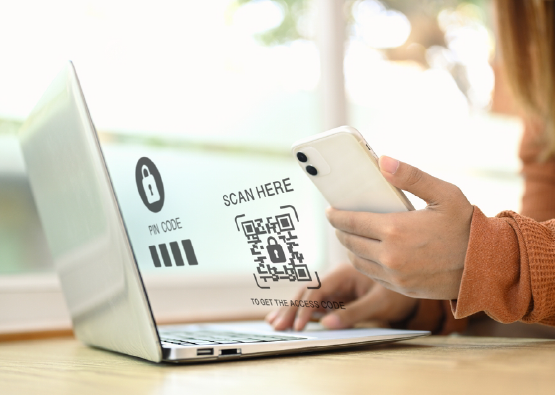
Quishing: The New Scam Tactic that's using QR Codes to get your Personal Information
QR codes have quickly become a staple of our daily lives, offering convenience at restaurants, events, and even for payments. But, as technology advances, so do the tactics of cybercriminals, and QR codes are now being exploited for fraudulent purposes.
What does a QR Code Scam Look Like?
Typically, scammers create fake QR codes and place them in public areas on posters, flyers, or even over legitimate codes at businesses. When you scan these codes, you might be redirected to malicious websites designed to steal your personal information, install malware on your device, or trick you into revealing sensitive details like banking credentials. In some cases, the scammer’s QR code can initiate unwanted payments or subscriptions without your consent.
To protect yourself, always verify the source of a QR code before scanning. If you’re in a restaurant or shop, ask staff if the code is legitimate. Be wary of QR codes found in random places or sent via unsolicited emails or messages; these are often used as bait.
It’s also good practice to avoid entering sensitive information—such as passwords or credit card details—on websites you access through a QR code unless you’re certain of its authenticity. If something feels off, trust your instincts and don’t proceed. And remember, legitimate businesses rarely ask for personal information through QR codes without prior communication or context.